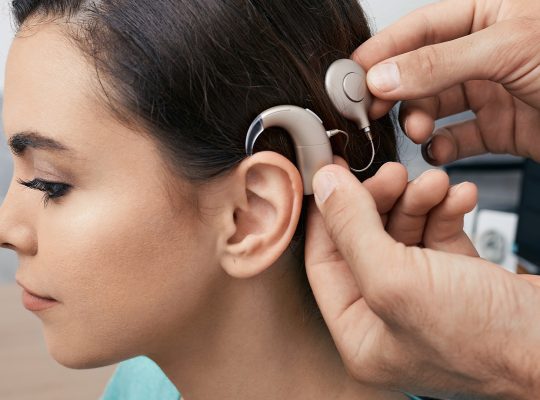
A bang trauma is hearing damage caused by a sudden, extremely loud sound. One bang, one moment, and your hearing can be permanently altered. The insidious thing about a bang trauma is that it often happens unexpectedly and sometimes the damage doesn’t really become apparent until later.
Think of fireworks going off just a little too close, a gunshot without hearing protection, an airbag going off, an explosion or even an unexpected loud noise at a concert. Hearing is built for a lot, but not for this kind of sound violence all at once.
What happens in a blast trauma to the ear?
To understand what a bang trauma is, we need to take a moment to enter the ear. Sound enters through the ear canal, vibrates the eardrum and is transmitted through the ossicles to the inner ear. Inside the cochlea are hair cells that convert these vibrations into nerve signals.
In a blast trauma, things go wrong because of the intensity and suddenness of the sound. The blast wave is so powerful that:
- Hair cells in the inner ear become damaged or die
- The eardrum may rupture
- Hearing bones become temporarily dislocated
- The auditory nerve becomes overstimulated
Hair cells don’t repair themselves. And that’s what makes a bang trauma so serious.
How hard is “too hard”?
Popping trauma usually occurs with sounds above 120 to 140 decibels. By comparison:
- Fireworks at close range: 140 to 160 dB
- Gunshot: around 150 dB
- Airbag going off: 160 dB
- Explosion: even higher
The danger is not in the duration, but in the spike. One fraction of a second can be enough.
Common causes of blast trauma
A blast trauma can happen to anyone. Not just people who do “dangerous things.”
Common situations include:
- Fireworks during New Year’s Eve
- Shooting sports without proper hearing protection
- Concerts or festivals with unexpected peaks
- Work in industry or construction
- Car accidents in which airbags go off
- Loud bangs during military exercises
Remarkably, these are often unexpected sounds. You can’t prepare your hearing, and that compounds the damage.
Symptoms of blast trauma
Symptoms after a blast trauma may occur immediately, or they may not become apparent until hours or days later.
Common symptoms are:
- Sudden hearing loss (often in one ear)
- Tinnitus or tinnitus
- A dull or “cotton wool in the ear” feeling
- Hypersensitivity to sound
- Pain or pressure in the ear
- Dizziness or balance problems
Sometimes hearing seems to partially recover, but tinnitus or sound distortion remains present.
Temporary or permanent?
Not every blast trauma results in permanent damage, but the risk is high. Doctors often distinguish between:
- Temporary threshold shift: hearing seems to recover over time
- Permanent damage: hair cells are damaged beyond repair
The problem is that you cannot judge this for yourself. What is “not too bad” today may prove permanent later.
What should you do if bang trauma is suspected?
Acting quickly is crucial.
For complaints after a loud bang:
- Contact the doctor immediately
- For severe symptoms: emergency referral to ENT specialist
- Don’t wait “to see if it will pass on its own”
- Avoid loud noises after the incident
In some cases, prompt medical treatment can limit further damage.
Blast trauma and tinnitus
Tinnitus is a common result of blast trauma. The squeak, hiss or hum occurs because the hearing system becomes dysregulated. The brain tries to fill in the missing sound itself, so to speak.
For some people, tinnitus disappears over time. For others, it remains a permanent companion. That’s what makes prevention so important.
Protection from blast trauma
Blast trauma is preventable in many cases. Hearing protection is not an unnecessary luxury, but a necessity in high-risk situations.
Consider:
- Earplugs with filter at concerts and festivals
- Earmuffs or combination protection for extreme noise
- Special hearing protection in shooting sports
- Extra protection during fireworks
Important: One earplug “out for a moment” is enough to cause damage.
-
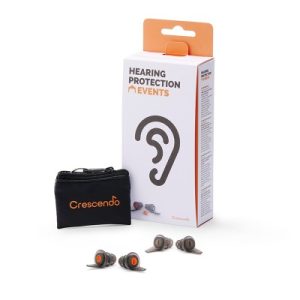 Crescendo Events€27,99
 -
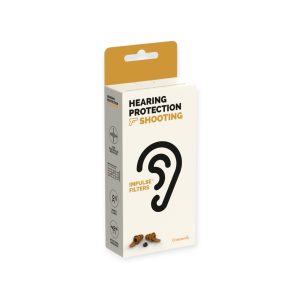 Crescendo Hearing Protection Shooting Impulse filter€39,99
 -
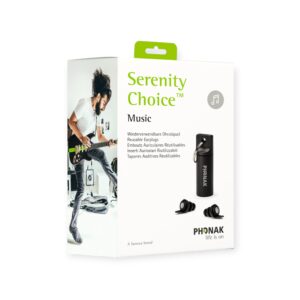 Phonak Serenity Choice Music – music earbuds€64,99
 -
Product on sale
 Pluggerz Shoot Uni-Fit – Universal earplugs for shooting ranges and fireworks showsOriginal price was: €15,99.€12,99Current price is: €12,99.
Why one bang is enough
Many people think of hearing damage as years of exposure to noise. That’s true, but a blast trauma shows that things can also go wrong in a single moment.
Hearing has no reset button. What is broken, stays broken. And precisely because blast trauma happens so suddenly, people underestimate the danger.
Life after a blast trauma
Fortunately, for those who suffer permanent damage, there are tools:
- Hearing aids
- Tinnitus counseling
- Noise filters
- Training in dealing with hearing change
But prevention is always better than adaptation.
Why awareness is so important
Blast trauma is often dismissed as “bad luck.” In reality, it is usually a combination of underestimation and lack of protection. Knowing what pop trauma is and how quickly it can occur will help you make better choices.
You only hear with one set of ears. And those should last a lifetime.