Imagine: the sun is shining, you are driving along the coast or on a winding country road, the roof of your convertible is open and the wind is blowing through your hair. The ultimate feeling of freedom. But there’s one thing many convertible drivers don’t think about: their ears. Because as nice as such a ride is, the noise in an open car can be quite loud – and that can affect your hearing. Time to take a closer look at that.
How much noise does a convertible actually make?
You might think that driving a car is not that bad in terms of noise, especially compared to a motorcycle or a festival. But appearances can be deceiving. With an open-roof convertible, you have to deal with a constant combination of wind noise, tire noise, engine noise and traffic around you.
- At 80 km/h, noise levels in a convertible can already be around 85 decibels (dB).
- Moving toward 120 km/h, that easily shoots up to 95 dB or more.
- In comparison, prolonged exposure to noise above 80 dB can already lead to hearing damage.
That means that a leisurely drive for a few hours in your convertible can have more impact on your ears than you think.
Why is that dangerous to your hearing?
Our hearing is not made for prolonged exposure to loud, monotonous sounds. The constant noise of wind and engine may seem less intense than a popping concert, but it is precisely that duration that makes it dangerous.
- Tinnitus.: After a long drive, you may experience a ringing or buzzing in your ears. Sometimes temporary, but if this happens often, it can become permanent.
- Hearing loss: regular exposure to loud wind and driving noises can damage the cilia in your inner ear, slowly reducing your hearing.
- Fatigue: your hearing is constantly working extremely hard to process noise. This can make you tired faster during or after driving.
Earplugs: small, but indispensable
The easiest and most effective way to protect your ears while driving a convertible is to wear earplugs. And no, that doesn’t make the experience any less enjoyable – on the contrary, you can often hear the engine and music even better because the annoying wind noise is eliminated.
Which earplugs are suitable?
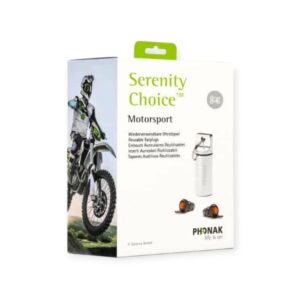
- Universal earplugs with filters: ideal for convertible drivers. They muffle harmful sounds, but let important tones through. So you can still talk to your passenger and hear traffic sounds.
- Custom-made earplugs: for the avid convertible driver who travels a lot of miles. They are super comfortable and offer perfect protection.
- Foam caps: better than nothing, but less comfortable and often too sealing for use in traffic.

Ear muffs: overkill or smart idea?
You may be thinking: are ear muffs an option? In a convertible that would look a bit excessive, but they are sometimes used on convertibles without a forward or vintage cars where the sound is even louder. For everyday use, however, earplugs are much more practical and less conspicuous.
Combining hearing protection
Some convertible drivers choose to wear earplugs with a slight attenuation and, in addition, set the car radio or their infotainment system to a normal volume. This way you experience the ride comfortably, still hear the engine noise (because that’s part of the charm of a convertible) and prevent damage.
Tips to save your ears during convertible rides
- Choose the right speed: the faster you drive, the more wind noise. Sometimes a relaxed 90 km/h with the roof open is a lot healthier for your ears than 130 km/h.
- Use a windshield: many convertibles have an optional windshield that greatly reduces turbulence. This not only saves noise, but also makes the ride more comfortable.
- Don’t drive for hours at a time: take occasional breaks. Your ears will get a rest and you will enjoy the ride extra.
- Make sure you have good earplugs: have them in your car as standard, just like your sunglasses. Then you’ll never forget them.
- Listen to your body: do you notice tinnitus or fatigue after a ride? That’s a signal that your ears have had to process too much.
Why many convertible drivers underestimate it
Many people associate hearing protection with concerts, festivals or working with machinery, but rarely with driving. Yet studies show that convertible drivers are at increased risk of hearing damage. It’s a form of creeping strain: you often don’t notice it for years, when your hearing noticeably declines.
The problem is also that wind noise sounds “natural” and is less distracting than loud music. As a result, you underestimate how harmful it is. But your ears make no distinction: 95 dB is 95 dB, whether it comes from a guitar amplifier or the wind past your ears.
Enjoyment without worries
Of course, the charm of a convertible is the ultimate feeling of freedom and contact with the environment. And it just stays that way even if you wear earplugs. In fact, many convertible drivers report that they actually enjoy the ride more with earplugs. The sound becomes quieter and clearer, allowing you to hear the engine and music better and less fatigue.
Conclusion: small detail, big difference
Cruising in your convertible is great, but think about your ears. Sound damage is irreversible: you won’t get a second chance. With a set of good earplugs in your glove box, you’re always prepared and can continue to enjoy that open-roof feeling endlessly.
So next time you pop open the roof, put on sunglasses and choose your favorite route: don’t forget to bring your hearing protection, too. Your ears will thank you for it for years to come.