The hospitality industry is a bustling world. Long days, pleasant colleagues, happy guests and often a good deal of music and noise. But those who work in the hospitality industry also know that it is an intensive profession. Not only physically, but also for your ears. Because when you stand night after night in a busy restaurant, behind the bar of a pub or on the floor of a club, your ears have a lot to endure. So the question is: are earplugs wise when you work in the hospitality industry? The short answer: yes. And in this blog I explain why, what types there are and what to look out for.
Noise in the hospitality industry: more than cozy noise
For guests, a full house is often a sign of conviviality. A little murmuring, music in the background, laughter and glasses clinking. But for hospitality workers, this is not an occasional experience: it is the daily workplace.
- Restaurants and cafes: conversations of dozens of guests mixed together, cutlery clattering and background music just a little too loud. Noise levels of 80 to 90 decibels are not unusual here.
- Clubs and nightclubs: music is often above 100 decibels, sometimes even toward 110 or more. Here you can suffer hearing damage within 15 minutes.
- Events and festivals: temporary hospitality often means even louder noise, sometimes for hours at a time.
In short, working in the hospitality industry can put a lot of strain on your ears.
What are the risks to your hearing?
Prolonged exposure to loud noises can affect your hearing. You don’t always notice it right away, but it accumulates. A few risks in a row:
- Hearing loss: especially high-pitched sounds often drop out first. You notice that you understand people less well, especially in crowded environments.
- Tinnitus: a constant ringing or ringing in your ears that never goes away.
- Hyperacusis: a hypersensitivity to sound, causing ordinary sounds to be perceived as painful or irritating.
- Fatigue and stress: your ears and brain get overloaded from constantly filtering sound.
The annoying thing is that hearing damage is permanent. A broken hair cell in your inner ear does not repair itself. So prevention really is better than cure.
Are earplugs the solution?
Yes, earplugs are a smart and simple way to protect your hearing. The idea that earplugs will prevent you from hearing anything or from doing your job properly is outdated. Nowadays, there are earplugs made specifically for people who need to be able to communicate in noisy environments.
Benefits of earplugs in the hospitality industry:
- Protection against hearing damage without completely shutting you out.
- Better intelligibility: modern earplugs filter sound, making music softer but voices often come through more clearly.
- Less fatigue: your ears don’t have to work as hard to filter everything.
- Discreet: there are almost invisible variants that no one notices.
What types of earplugs are there for hospitality workers?
Not every earplug is suitable for the hospitality industry. After all, you still want to be able to understand guests and hear music. A few options:
1. Universal music earbuds
These earplugs have a special filter that attenuates music and ambient noise, but maintains the sound balance. So you still hear the beat or atmosphere, just softer and safer.
-
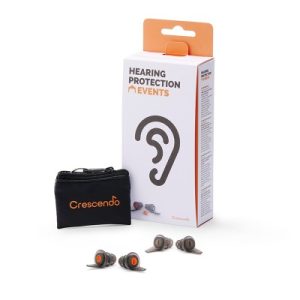 Crescendo Events€27,99
 -
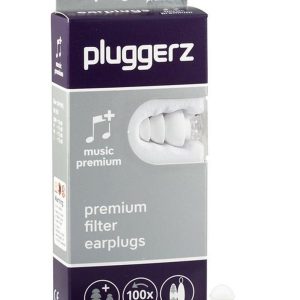 Pluggerz music Premium€29,95
 -
Product on sale
 Noizezz PREMIUM Music – MediumOriginal price was: €49,95.€39,95Current price is: €39,95.
 -
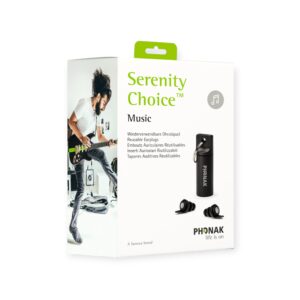 Phonak Serenity Choice Music – music earbuds€64,99
2. Custom-made earplugs
For those who work long hours in the hospitality industry, custom earplugs are an excellent investment. They seal perfectly, are comfortable during long shifts and have interchangeable filters for different situations (restaurant vs. club).
3. Foam earplugs (disposable)
These are cheap and convenient, but not ideal for the hospitality industry. They often muffle too much and make communication difficult. Fine as an emergency solution, but not for daily use.
Common objections and reality
“With earplugs, I can’t hear the guests very well.“
Modern filter earplugs actually allow speech to come through better because distracting background noise is muffled.
“It looks weird when staff wear earplugs.“
On the contrary, more and more hospitality businesses are encouraging hearing protection for their staff. Moreover, there are transparent and barely visible varieties.
“It’s not comfortable.“
That may have been true in the past, but these days there are soft materials and custom-made solutions that you can wear for hours without discomfort.
Hospitality and hearing protection: a shared responsibility
Not only employees, but employers play a role as well. According to the Occupational Health and Safety Act, an employer is obligated to provide a safe working environment. That includes protection against harmful noise. Some companies even make earplugs available to their staff as standard.
Awareness is also needed: many hospitality workers are young and think that hearing damage does not happen to them. But damage can be permanent after just one busy festival weekend.
Tips to protect your hearing in the hospitality industry
- Invest in good earplugs: choose filters that fit your work environment.
- Rest your ears: take breaks in a quiet room so your ears can recover.
- Limit extra noise outside of work hours: don’t turn up your headphones or earbuds at home too loud.
- Have your hearing tested regularly: that way you will know in time if there are any changes at all.
- Talk about it with colleagues and employers: together you will create more awareness and acceptance.
Conclusion
Working in the hospitality industry is fun, intense and challenging, but your ears get a lot of abuse. Without protection, you run the risk of permanent hearing damage. Fortunately, there are earplugs specially designed for hospitality workers: they protect your hearing, ensure that you can hear your guests and colleagues and make your work a lot less tiring.
So, whether you’re behind the bar, walking in service or DJing: earplugs are not a luxury, but a must. After all, a fun night at the pub shouldn’t cost you your hearing forever.