The engines roar, the grandstands vibrate, the adrenaline pours – Formula 1 at Zandvoort is coming! Another month and a half, then the circuit will once again be flooded with fans and of course: incredible sound.
But as bold as the spectacle is, one thing is often forgotten: your ears. And that’s a shame. Because where you protect your skin from the sun, hearing protection from engine noise is just as important. In this blog you will read why, what you can use, and how to best protect your ears without missing out on the experience.
Formula 1 sound: a feast for the eyes, an assault on your ears
Just some numbers. A Formula One car produces between 120 and 140 decibels on average. By comparison, that’s somewhere between a rock concert and a fighter jet. And yes, that’s loud enough to cause permanent hearing damage – even after a few minutes.
That risk is extra high if you:
- is close to the job
- are young; children’s ears are more sensitive than those of adults
- be present for several days
- Have sensitive ears or have already suffered hearing damage
A squeak, dull feeling or tinnitus after a day at Zandvoort? Not a good sign. Those are signals from your body that it was too much.
Why hearing protection is indispensable
Sound damage is sneaky. It doesn’t hurt, but it is often irreversible. Damaged hearing does not recover. You increasingly miss high-pitched sounds, have trouble following conversations, or hear a permanent squeak(tinnitus).
That’s why it’s important to take your ears as seriously as your sunglasses or your festival strap. Fortunately, you can fully enjoy Formula 1 weekend without missing a thing if you wear the right protection.
Earplugs: small, smart and comfortable
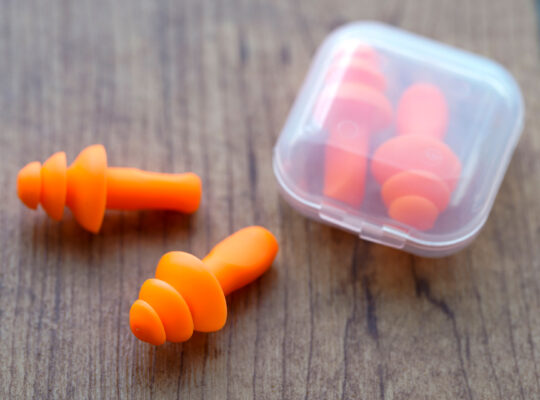
For many visitors, earplugs are the first and most practical option. They are small, light, easy to carry and available in many types.
Benefits of earplugs:
- They attenuate sound without filtering everything out
- They are discreet (for those who prefer not to wear them visibly)
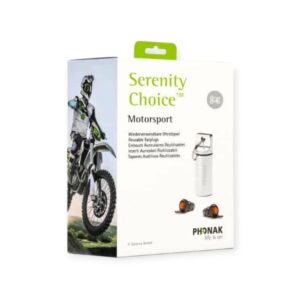
- There are special music or motorsport caps that muffle the sound without losing the experience
- You also have custom-made earplugs that fit perfectly in your ear and are comfortable for long periods of time
For children, there are also smaller models with softer materials. Pay attention to the attenuation level – an attenuation of around 20 to 30 dB is recommended for F1 noise.
Tip: test your earplugs beforehand at home or at a festival. Nothing is more annoying than having to fiddle with your ears during the race.

Earmuffs: extra cushioning and ideal for children
Earmuffs are another popular choice – especially among families with children. They are similar to hearing protectors for construction, but more comfortable and lighter.
Why ear muffs are worth considering:
- They offer higher attenuation than most earplugs
- They are easy to put on and take off
- They are ideal for young children whom your ears cannot explain why they should stay still
- They are reusable, easy to clean and long lasting
For children, there are cheerful earmuffs in bright colors and with prints, which even make wearing them fun. And believe us: kids really can’t handle the noise of F1 without protection.
-
Product on sale
 Horend Goed Children’s Earmuffs BiChromaticOriginal price was: €34,99.€24,99Current price is: €24,99.
 -
Product on sale
 Horend Goed DinoShield SoundGuard earmuffOriginal price was: €34,95.€24,99Current price is: €24,99.
 -
Product on sale
 Horend Goed Unicorn SoundGuard earmuffOriginal price was: €34,95.€24,99Current price is: €24,99.
 -
Product on sale
 Horend Goed Earmuff IceCream EarmuffsOriginal price was: €34,95.€24,99Current price is: €24,99.
The ultimate combo: earplugs and earmuffs
Do you want the very best? Or do you have very sensitive ears? Then you can opt for the double protection: earplugs in first, earplugs over them. This is often advised for people with tinnitus, people who sit close to the track or walk around the track for several days.
Through this combination you get:
- double the attenuation (sometimes as much as 40+ dB)
- less resonance or vibration through the skull
- more rest for your auditory nerve
In that case, be sure to choose earplugs with flat attenuation (such as music plugs) so that the sound is not completely muffled. You still want to be able to enjoy the atmosphere, the engines AND the announcer.
Don’t forget the children
Children are more sensitive to sound than adults. Their hearing is still developing, and they cannot yet tell themselves when it is “too loud. Are you taking your child to Formula 1? Then hearing protection is not optional, but an absolute must.
Earmuffs are the best choice here, possibly in combination with child-friendly earplugs. Get your child used to them by already wearing them at home when watching a race on TV or while visiting a crowded place, for example.
Hearing protection can also just be tested
Unsure which hearing protection is right for you? Want to know if your plugs fit properly or which ones are most comfortable for your child? Feel free to stop by or contact us for advice. We also offer custom-made earplugs for motorsports, festivals or children.
And: the sooner you’re there, the better. One and a half months to go until the starting signal at Zandvoort – so this is the time to get your ears ready.
Summary
Formula 1 at Zandvoort is an experience never to be forgotten – but your hearing should be just the thing to leave no lasting memory.
So, whether you’re in the grandstand, standing in the dunes or partying along in the arena: protect your ears properly. With smart earplugs, sturdy earmuffs or a combination of both, you can enjoy the race to the fullest and prevent hearing damage.
Be careful of your ears. You only get two. And Formula One will give you an even nicer memory if you don’t have a squeak left at the finish line.