Being hard of hearing just means…. hearing less well? You’d think so, but it’s a little more complex than that. Did you know that hearing loss can also affect other senses, such as smell and taste? Crazy idea perhaps, but for many people with hearing problems it is recognizable: “Since I hear less, I taste less good.” Or, “Smells seem to be less noticeable to me.”
Coincidence? Definitely not. In this blog, we dive into the surprising connection between hearing, smell and taste. And why it’s all more related than you might think.
Everything in your head is connected
Your head is quite crowded: ears, nose, tongue, eyes, nerves, blood vessels…. Everything is close together and works closely together. Moreover, taste, smell and hearing are all processed in the brain, and often even in areas that overlap.
That means: if something changes in one sense, it can affect another. Just like when you have a cold – you smell and taste less. And just like that, hearing loss can have a domino effect on your perception of smell and taste.
Less smell = less taste
Just a little lesson in biology: what we “taste” is actually largely what we smell. Your tongue recognizes mostly the basic flavors – sweet, salty, sour, bitter and umami. But all the nuances? Those come through your nose. Think of the smell of freshly baked bread or strawberries – that’s where taste really comes alive.
So when your sense of smell decreases, everything tastes more bland. And now comes the link with hearing loss: in some people whose hearing deteriorates, their sense of smell also diminishes. And thus also – indirectly – the perception of taste.
What about that exactly?
There are a few possible explanations why hearing impairment affects smelling and tasting:
1. Underlying cause in the brain
Certain types of hearing loss – such as age-related hearing loss (presbyacusis) – involve not only the ear itself, but also changes in the brain. Researchers have discovered that the areas that process smell and taste partially overlap with those for hearing.
In people with hearing loss, brain activity often appears to run slightly differently. And that can affect how strong (or weak) smell and taste stimuli come in.
2. Medication or medical conditions
Impaired hearing is sometimes associated with conditions such as diabetes, high blood pressure, neurological disorders or viruses – all things that can also affect your sense of smell and taste.
Certain medications used for ear problems (for example, after ear surgery, inflammation or tinnitus) can also temporarily affect the perception of taste or smell.
3. Reduced sensory alertness
When you hear less well, you often become a little less attentive to sensory signals in general. This is because your senses work together to give you an overall picture of your surroundings. If that picture is already less complete due to hearing loss, you may also register smells and tastes less consciously.
Your brain pays less “attention” to those signals, so to speak, because it is overloaded with compensating for hearing.
4. Blockage of the Eustachian tube or common cold
Sometimes hearing loss is temporary – for example, with a cold, middle ear infection or blockage of the Eustachian tube. In such cases, it often accompanies a stuffy nose, which also makes you smell and taste less.
5. Sensory overstimulation or under-stimulation.
With long-term hearing loss, your brain can adapt: some areas become under-stimulated (as with taste and smell), others over-stimulated (as with tinnitus). This is called brain plasticity, and it can cause your smell and taste to simply become less of a priority.
What can you do about it?
If you notice that since you are hearing worse you are also smelling or tasting less, it is good not to keep walking around with it. Here’s what you can do:
1. Get your hearing tested
Spotting a hearing loss early is important not only for your ears, but also for your overall sensory health. An audiologist(that’s us!) or ENT doctor can tell you exactly if hearing loss is present, and what treatment is appropriate.
2. Wear your hearing aid consistently
Many people with hearing loss also regain more acuity in their other senses with a properly adjusted hearing aid. Your brain gets enough input again, and that helps activate smell and taste recognition.
3. Stimulate your sense of smell and taste
Smelling and tasting can be trained. Eat a variety of foods, use fresh herbs, and try to consciously perceive smells (such as coffee, flowers, citrus). Your brain loves exercise.
4. Avoid overuse of cotton swabs
Impaired hearing can also be caused or made worse by earwax build-up. If you often clean your ears yourself with cotton swabs, you may actually make it worse. Rather, consider a safe solution such as a Bebird ear cleaner with a camera so you can see exactly what you’re doing and don’t damage your ear canal.
-
Product on sale
 Sennheiser RR Flex (kopie)Original price was: €131,99.€119,99Current price is: €119,99.
 -
Product on sale
 ReSound Multi Mic (kopie)Original price was: €269,99.€239,99Current price is: €239,99.
 -
Product on sale
 Widex RC-Dex remote control silver (kopie)Original price was: €109,00.€79,99Current price is: €79,99.
 -
 Phonak TP mini hook HE11 680 – 2 pcs. (kopie)€13,99
 -
Product on sale
 Widex TV-dex (kopie)Original price was: €269,00.€219,99Current price is: €219,99.
 -
Product on sale
 Starkey Premium Charger – with built-in power bank (kopie)Original price was: €159,99.€149,99Current price is: €149,99.
 -
Product on sale
 Oticon Smartcharger minirite R (kopie)Original price was: €209,99.€199,99Current price is: €199,99.
 -
Product on sale
 Phonak Charger Combi BTE (kopie)Original price was: €129,99.€114,99Current price is: €114,99.
 -
 Horend Goed waterproof ear patches with cotton wool (kopie)Price range: €13,49 through €29,99
 -
 Horend Goed waterproof ear patches (kopie)Price range: €13,49 through €29,99
 -
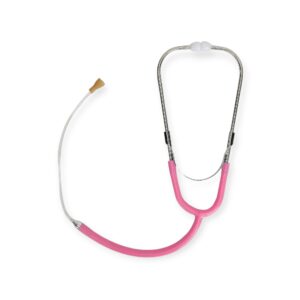 Horend Goed steto clip red (kopie)€32,99
 -
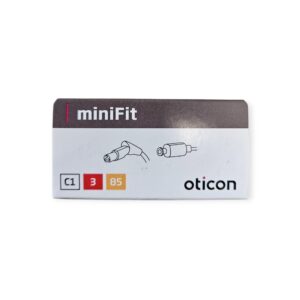 Oticon minifit speaker 85 right 2 (kopie)€49,99
 -
 Phonak BTE Cleaning Kit – complete care for behind-the-ear hearing aids€29,99
 -
 Phonak Drying Kit – effective moisture protection for hearing aids€14,99
 -
 Phonak cleaning spray€13,99
 -
 Phonak drying capsules – 4 pieces€12,99
 -
 Phonak drying spray – 150 ML – quick and safe drying of hearing tubes and earmolds€21,99
 -
 Phonak cleaning tablets – 20 pieces€12,99
 -
 Phonak cleaning wipes – 30 pieces – individually packed€12,99
 -
 Phonak PerfectDry Lux – advanced drying solution for hearing aids€99,99
5. Consider medical monitoring for sudden loss of smell or taste
Do you suddenly notice that you no longer smell or taste anything, for no apparent reason? If so, get yourself examined. It could be due to a virus, a neurological problem or something else that needs medical attention.
In conclusion
Hearing loss affects more than just your ears. It impacts your social life, your balance, your energy – and thus your taste and smell as well. That’s because our senses work together to give us a complete picture of the world around us.
Fortunately, there is much you can do to improve that perception again. By taking your hearing seriously, taking good care of your ears, and staying alert to subtle changes. And know this: you’re not the only one who notices. Many people with hearing loss recognize the effect on smell and taste only after the fact – and feel much better when they give their senses some attention again.
Would you like advice on hearing protection, hearing aids or safe ear cleaning? We are happy to think along with you. Because hearing, smelling and tasting good – that’s what everyone wants.