Whether you’re an avid swimmer, a Sunday bathtub philosopher, an avid outdoorsman or someone who gets wet just looking at a rain cloud – swimmer’s ear is one of those afflictions that go unnoticed. It is not exclusive to people wearing goggles and swim caps. You don’t have to swim a record or turn artfully in sync to come into contact with it. A simple shower or a shower on a inclement day can be enough to wreak havoc on your ear canal.
Swimmer’s ear is one of those phenomena that you don’t really take seriously until your ear acts like it wants to retire. First a little itching, then an oppressive feeling … and before you know it, it feels like there’s a miniature rattle stuck in your ear cavity. Time to find out exactly what happens, why it occurs, and most importantly, how to prevent it – because swimmer’s ear is annoying, but certainly not an inevitable natural phenomenon.
What is swimmer’s ear?
Swimmer’s ear is an inflammation of the ear canal, officially called otitis externa. Sounds like an alien condition, but it’s simply because the skin in your ear canal becomes irritated or damaged. Normally, a thin layer of earwax protects you from invaders such as bacteria, fungus and water. Once that protective layer is compromised, the skin is more vulnerable – and exactly that gives microorganisms free rein.
Water that sticks around, or an ear canal that is already somewhat sensitive, can lead to irritation. And irritation leads to inflammation. The result? Itching, pain, a congested feeling and sometimes even some less-than-fresh discharge. In short: no fun.
How do you recognize swimmer’s ear?
The signals are usually clear:
- Oppressive or congested feeling
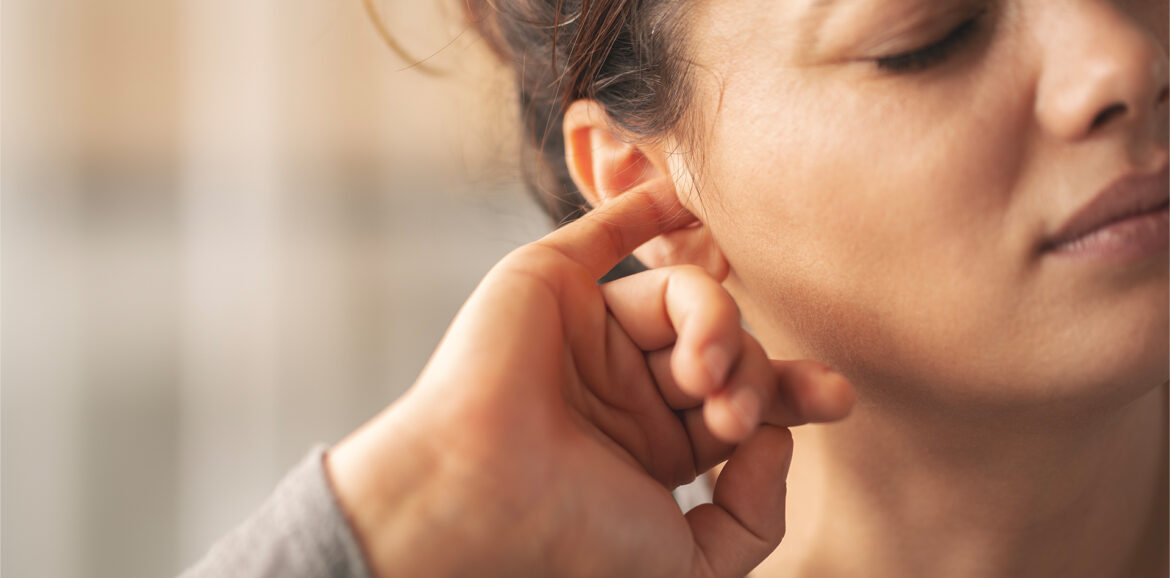
- Searing pain that gets worse when you pull on your ear
- Itching deep in the ear canal
- Impaired hearing
- Sometimes dampness or discharge
If even the gentle movement of your ear makes you spontaneously feel like complaining loudly, chances are that swimmer’s ear is the culprit.
What causes swimmer’s ear?
The name suggests that you have to swim laps at least three times a week to be at risk, but it’s not that simple. Swimmer’s ear can be caused by a variety of factors:
Water left in the ear canal
Swimming pool water, sea water, shower water, rain and even melting snow – water can disrupt the protective coating in the ear canal and stick to it.
Sports on and in the water
(Kite) surfing, sailing, supping, water polo, triathlon, diving, synchronized swimming … all activities that involve your ears dealing with water, wind or cold for extended periods of time. That’s a perfect recipe for irritation.
Damage from objects
Cotton swabs, hairpins, glasses pins, pens – you know the familiar household instruments that never belong in an ear but end up there anyway.
Narrow or sensitive ear canals
This allows water to adhere more easily.
Wanting to be too clean
When earwax is completely removed, there is no protective layer left – and that makes the skin vulnerable.
Swimmer’s ear due to swimming, diving and water sports
Water activities are notorious causers of swimmer’s ear. And then it doesn’t really matter what you do:
- Bathing – chlorine dries out the skin.
- Synchronized swimming – prolonged wet ears, often with pressure differences.
- Water polo – fast movement and regular water in the ear canal due to waves and diving.
- Surfing and kitesurfing – a perfect mix of water, wind and cold.
- Sailing – splashing water and strong winds can irritate the ear canal.
- Diving and snorkeling – temperature changes and moisture remain for a long time.
But even when you don’t exercise, swimmer’s ear can strike. A rainstorm, a bike ride through fog or snow, or a shower that was just a little too enthusiastic – all can leave water in the ear canal. And that’s often exactly what it takes for the problems to begin.
How do you prevent swimmer’s ear?
Fortunately, you don’t have to develop a lifelong water-avoidance strategy. A little bit of vigilance will get you a long way.
Use good earplugs
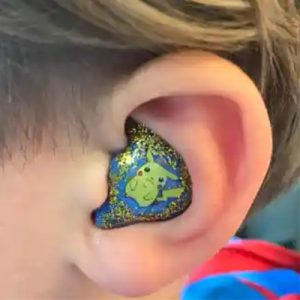
At Horend Goed you will find both universal and custom-made earplugs. For water sportsmen and swimmers, custom-made earplugs are particularly suitable: they sit firmly, close perfectly and do not cause pressure points. Ideal if you are regularly in the water.
Extra fun is that you can choose from 10 different colors that you can mix and match per ear. Moreover, you can decorate them with pictures and glitter! (May, must not of course)
It is also possible to have a lanyard with a clothing clip cast along, so you can’t lose them. Handy isn’t it?
-
 Custom swim caps€40,00
Let your ears dry gently
Tilt your head, gently pull your earlobe if necessary. No hair dryer on turbo setting, no foreign objects, no cotton swabs.
Protect even in rain and cold
Water does not have to be visible to cause irritation. Cold wind and humid conditions make the ear canal more sensitive.
Be nice to your earwax
That stuff is there for a reason. Cleaning too intensely makes your ears vulnerable.
What if you already have swimmer’s ear?
Then it’s time to take action. Your doctor can prescribe ear drops that usually provide quick relief. In the meantime, it is essential that you do not let water get into your ear and leave your ear completely alone.
During recovery, keep away from:
- cotton swabs
- pens
- your fingers
- “Just scratching because it’s so itchy”
That only helps get yourself further into trouble.
Hearing protection at Horend Goed
To prevent swimmer’s ear, we have several solutions at Horend Goed:
- Universal swimming earplugs – Ideal for occasional use.
- Customized swim earplugs – The best protection for intensive swimmers and water sports enthusiasts.
With the right protection, you can swim, surf, polo, sail or brave rain without your ear turning into its own soap opera.
Swimmer’s ear is annoying, but well preventable
Swimmer’s ear is painful and bothersome, but fortunately perfectly preventable. With good earplugs, sensible ear care and a little awareness, you can minimize the risk. Whether you’re in the pool, skimming over the water with your kite, sweating through the water polo field or just walking through a Dutch downpour, your ears will thank you if you protect them properly.
Want to know which earplugs are best for your situation? We’d be happy to help.