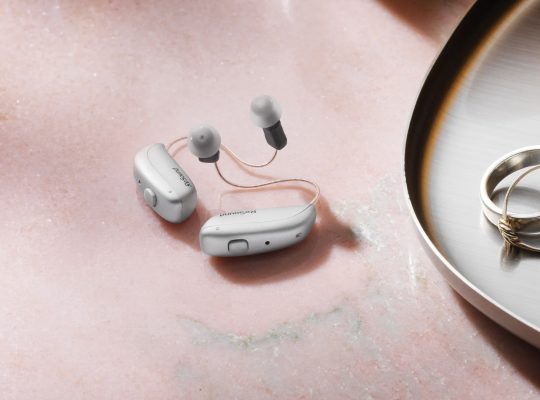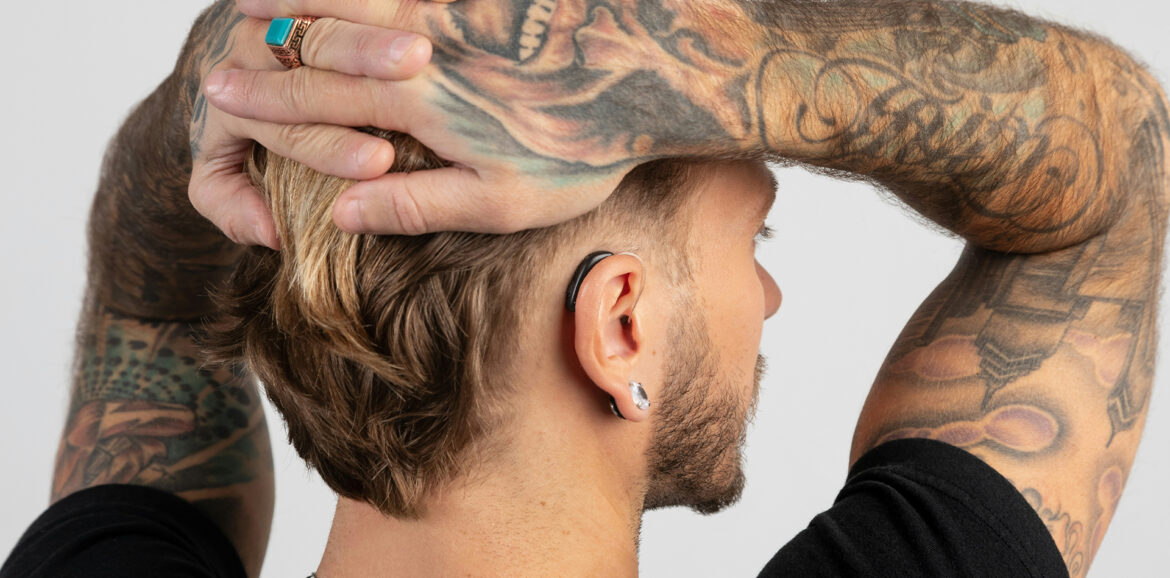
A hearing aid is a piece of technology in a tiny package. Inside are sensitive microphones, speakers and electronic parts that work together to help you hear well again. But there is one enemy that can significantly shorten the life of your hearing aids: moisture. Sweat, rain, condensation, or just moisture from the air – it creeps everywhere. And because hearing aids are usually in or behind your ears all day, contact with moisture is simply unavoidable. Yet you can outsmart that moisture – with a little daily care and a smart drying routine.
What does moisture do to your hearing aids?
Moisture and electronics are a disastrous combination. If too much moisture builds up in your hearing aids, it can lead to all sorts of problems. Consider:
- Poor sound quality: the sound sounds dull, crackles or sometimes drops out altogether
- Malfunctions in the microphone or speaker: moisture can affect small contact points
- Corrosion of parts: even invisible moisture particles can corrode metal
- Irregular performance: one minute your hearing aid is working perfectly, the next it suddenly seems “corky
Even the slightest bit of moisture can cause long-term damage. Just think how quickly a phone will go haywire if you accidentally leave it out in the rain – and to think that hearing aids are even smaller and more sensitive.
Where does that moisture actually come from?
You don’t need a rainstorm to get moisture problems. Most moisture buildup just comes from daily use.
- Sweat: especially in summer or during exercise
- Rain or fog: particulate matter and moisture in the air can accumulate in the microphones
- Condensation: temperature differences between inside and outside cause small water droplets inside the unit
- Humidity in the home: too humid an environment will never allow appliances to dry completely properly
In short: moisture is everywhere, and your hearing aids don’t love it.
Why drying is so important
Drying hearing aids is not an unnecessary luxury – it is just as important as cleaning them. Regular drying:
- Prevents breakdowns and repairs
- Extends the life of your devices
- Provides consistently good sound
- Keeps batteries usable longer
Compare it to your shoes: if you put them away wet, they start to smell musty and wear out faster. Give your hearing aids a chance to “dry out” for a while every day, and they will continue to perform smoothly.
How do you dry hearing aids properly?
There are several ways to keep your hearing aids dry. The right method depends a bit on your device type and preference, but these are the most commonly used (and effective) options:
1. Drying box with drying capsules
The old-fashioned, but still effective way. You place your hearing aids overnight in a sealed drying box with a drying capsule. This capsule absorbs the moisture and ensures that your hearing aids are completely dry again the next morning.
Advantage: simple, inexpensive and works without power.
Disadvantage: capsules must be replaced regularly.
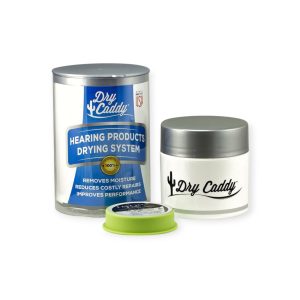
2. Electronic drying box
The modern version of the drying box. An electronic drying box uses a combination of heat and sometimes UV light to completely dry and disinfect your hearing aids.
Advantage: efficient, fast and hygienic.
Disadvantage: slightly more expensive, but better for your appliances in the long run.
-
 PerfectDry Lux drying box€64,99
3. Portable drying solutions
For traveling, there are compact drying systems with USB connection. Handy if you travel often or want to take good care of your devices even on vacation.
What not to do?
Sometimes the temptation is to improvise, but not all drying methods are safe for your hearing aids. Therefore, avoid:
- Drying on the heater or with a hair dryer (too hot!)
- Leaving it out in the sun (can warp plastic)
- Keeping it in a damp bathroom
- Leaving it in a sealed case without ventilation
Hearing aids like a stable, dry climate – not extreme heat.
Extra tip: store them properly
A dry storage area works wonders. Preferably use a dry box or an air-permeable box. Do not leave your hearing aids lying around loose in a bag or jacket pocket; there they get not only moisture, but also dust and dirt on their roof.
Want to give them extra protection? Some modern dry boxes have a UV cleaning function, which also kills bacteria. Convenient and fresh.
How often do you need to dry?
The short answer: every day.
The long answer: the more humid your environment or lifestyle, the more important it becomes.
- Do you live in a damp house or by the sea? Dry them daily.
- Do you exercise a lot or sweat quickly? Dry them after exercising.
- Do you use rechargeable hearing aids? Dry them while charging in a special drying station.
A routine helps tremendously: always put your devices in the drying box at night before you go to bed. You’ll find they sound fresher the next morning – literally.
What do you need.
At Horend Goed you will find different solutions to properly dry and maintain your hearing aids. Consider:
- Electronic drying boxes with UV light and automatic shutdown
- Drying boxes with drying capsules – simple and effective
- Cleaning kits to remove ear wax and dust before placing the devices in the dry box
That way you keep your appliances not only dry, but clean – and that saves a lot of frustration (and repair costs).
In conclusion: a small investment, big difference
You could say that drying your hearing aids is a bit like brushing your teeth: it only takes a minute, but it prevents a lot of trouble. Regular drying keeps the technology in tip-top shape, ensures clear sound and significantly extends the life of your investment.
Whether you choose a simple dry box or a deluxe electronic variety – your hearing aids will thank you. And what about you? You simply hear better, longer and without crackling.
In short: make drying a habit. Your ears (and your wallet) will thank you.