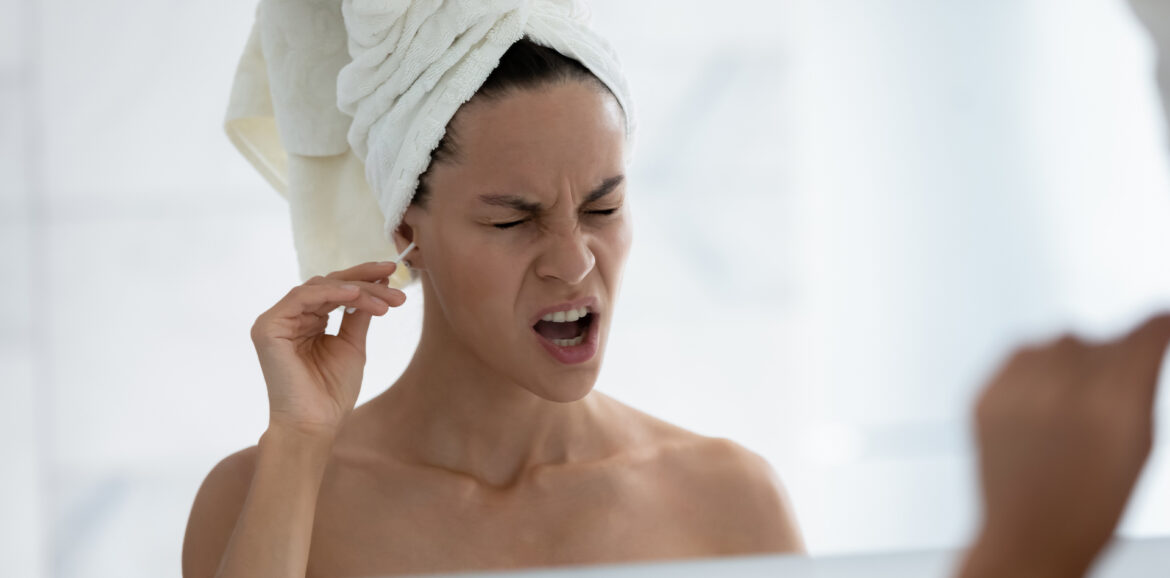
Everyone does it. Just quickly grab a cotton swab after showering and “clean it up. Because that earwax, it doesn’t belong there, does it? It doesn’t look fresh, it sometimes feels a little greasy, and before you know it, you feel like your ear canal is “clogged. But what if we told you that this habit is not only unnecessary, but downright bad for your ears?
In this blog, we’ll tell you why you better stop using cotton swabs in your ear canal today. What earwax actually is. And more importantly, what you can do if you feel your ears need cleaning. Spoiler: the answer has everything to do with technology AND caution.
Earwax: a dirty mess or a clever protective layer?
Let’s start at the beginning. Earwax – also called cerumen – is not a waste, but a natural protective mechanism of your body. It is produced in the ear canal and consists of a mixture of skin flakes, fats, sweat and dust. Not exactly a sexy cocktail, but incredibly useful.
Earwax:
- Protects the skin in your ear canal from drying out
- Stops dust, bacteria and other invaders
- Keeps your ear canal slightly acidic (preventing fungi and infections)
- Gradually transports dirt outward toward your auricle
In other words, your ear is a self-cleaning system. And as long as you leave it alone, it does its job just fine.
What goes wrong with cotton swabs
Yet millions of people use a cotton swab daily to “clean” their ears. And that’s where it goes wrong. Because that wad of cotton on a stick seems harmless, but it can do more harm than good.
Why?
- You often push the earwax deeper into the ear canal, rather than taking it out
- You disrupt the natural drainage of earwax
- You make small wounds in the skin of your ear canal
- You increase the risk of congestion, ear infections and hearing damage
In the worst case, you can even damage your eardrum. And believe us: you don’t want that. Especially if you already have hearing loss or wear a hearing aid, your ears are vulnerable. Then the last thing you want is an inflammation or damage by … a stick of cotton wool.
But my ears are full!
Some people simply produce more earwax than others. Others have ear canals that are narrower or curved, making it harder for wax to come out. And yes, if you wear hearing aids or often have earplugs in, it can accumulate a little faster.
Therefore, the feeling of “full ears” or dull hearing is recognizable. But still a cotton swab is not the solution. So what is?
The Bebird: ear cleaning with sight
Instead of poking your ear by feel, these days you can use technology. The Bebird is a good example. This smart device is a safe ear cleaner with a built-in camera, so you can literally see what you’re doing.
The advantages of the Bebird at a glance:
- You see live on your phone or tablet where you are cleaning
- You avoid going too deep or accidentally damaging something
- You remove targeted earwax without irritating the rest of your ear canal
- You work hygienically, with interchangeable and soft ends
So the Bebird is not a “new cotton swab,” but a responsible way to give your ears a little touch-up every now and then – when really needed. Note: daily use is neither necessary nor desirable. Think of it as maintenance, not a cleaning routine.
-
Product on sale
 Bebird T15Original price was: €43,99.€29,99Current price is: €29,99.
When do you need to remove earwax?
So in most cases, you don’t have to do anything. But there are exceptions:
- You have a gag that interferes with your hearing
- You suddenly hear dully or less well
- Your hearing aid does not function as well due to earwax buildup
- You suffer from earache or pressing sensation
In that case, you can try cleaning gently with the Bebird. Or – when in doubt – make an appointment with an audiologist or family doctor. Especially if you have frequent blockages, it is smart to have this professionally assessed.
What about children?
Even with children, don’t pick at the ear canal. The ears are even more fragile, and children often do not suffer from excessive earwax. A cloth along the auricle is more than enough. Still see something that needs to be taken out? Then a visit to the doctor is safer than getting started with a cotton swab yourself.
What if I can’t help myself?
Are you someone who feels the urge to root around in your ears with a rod daily? Then it’s time to unlearn that habit. Here are some tips:
- Don’t put cotton swabs in plain sight anymore
- Clean only the outside of your ear with a soft cloth
- Give yourself permission to watch with a Bebird once a week, if it feels necessary
- Remind yourself: your ear cleans itself
And you know what the great thing is? Many people find that their ears naturally stay more balanced once they stop fiddling. Less itching, less congestion, and ultimately healthier ears.
What about earplugs and hearing aids?
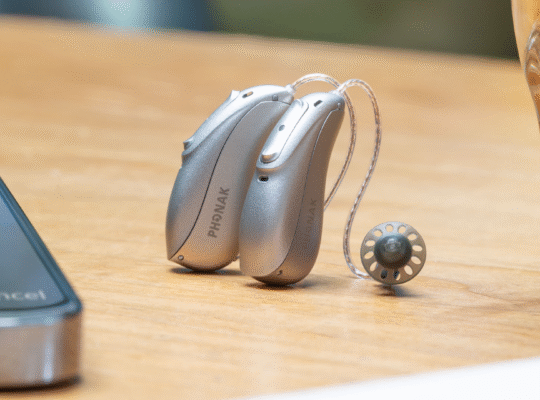
Do you use hearing protection, in-ears or a hearing aid? Then it’s important to pay extra close attention to earwax. Not because you need to clean more often, but because these aids can interfere a bit with the drainage of cerumen. As a result, you will notice that you have a plug a little more often or that your device feels “dirty.
Our advice:
- Clean your hearing aid or earplugs regularly
- Check with a Bebird to make sure a clot does not form
- Clean carefully, only when necessary
- Have your ear canal checked annually if you wear a lot of aids
Stop prodding, start watching
The days of blindly poking your ear with a cotton swab are truly over as far as we are concerned. Your ears are sensitive, smart, and designed to keep themselves clean. Give them the chance to do that, and be frugal with what you have.
And if you do need a little help: opt for a safe and thoughtful alternative like the Bebird. It keeps your control, vision and eardrums intact.
Want to know more about safe ear care, earwax problems or smart tools like the Bebird? You are always welcome for advice. Because good hearing starts with good care – for your hearing and for yourself.