Description
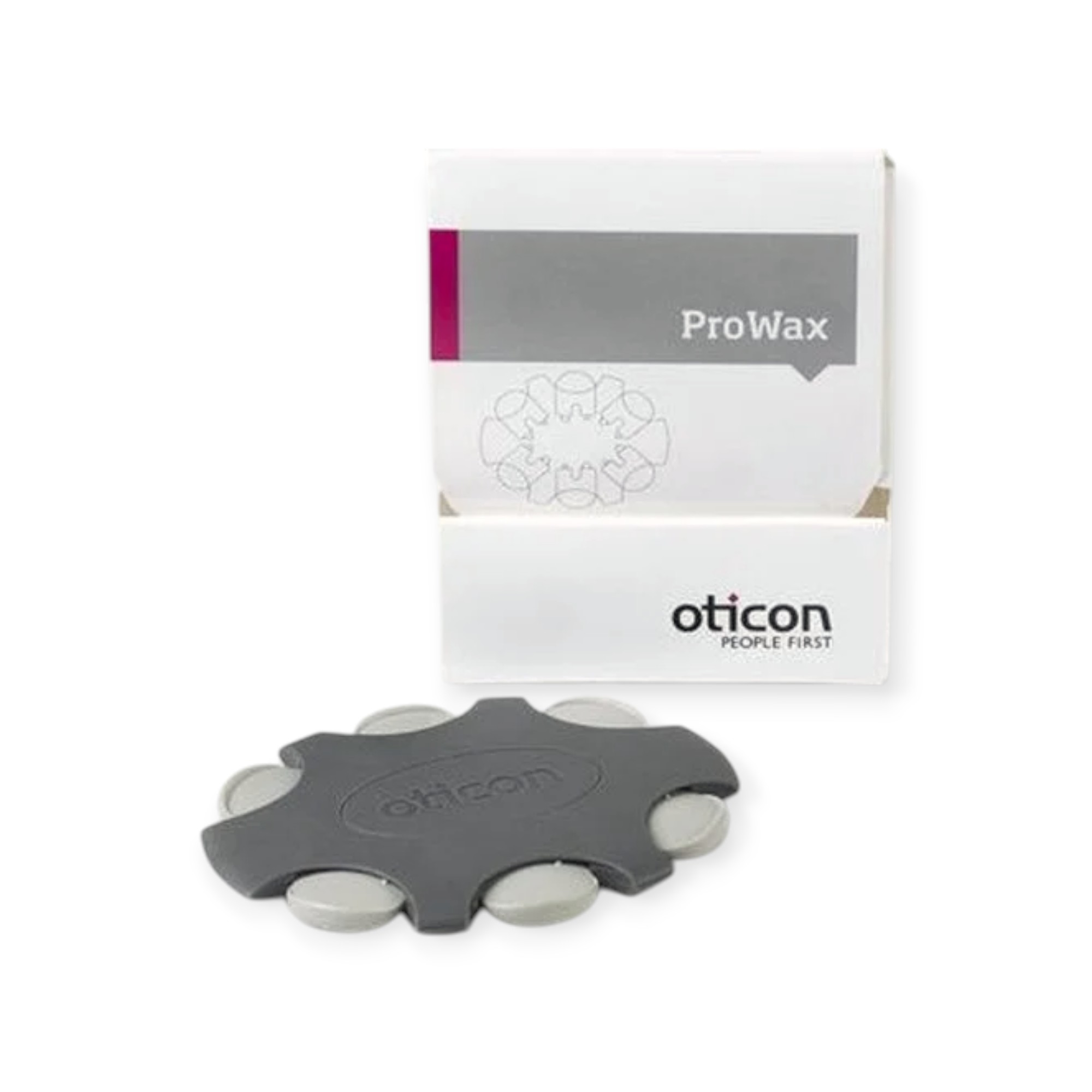
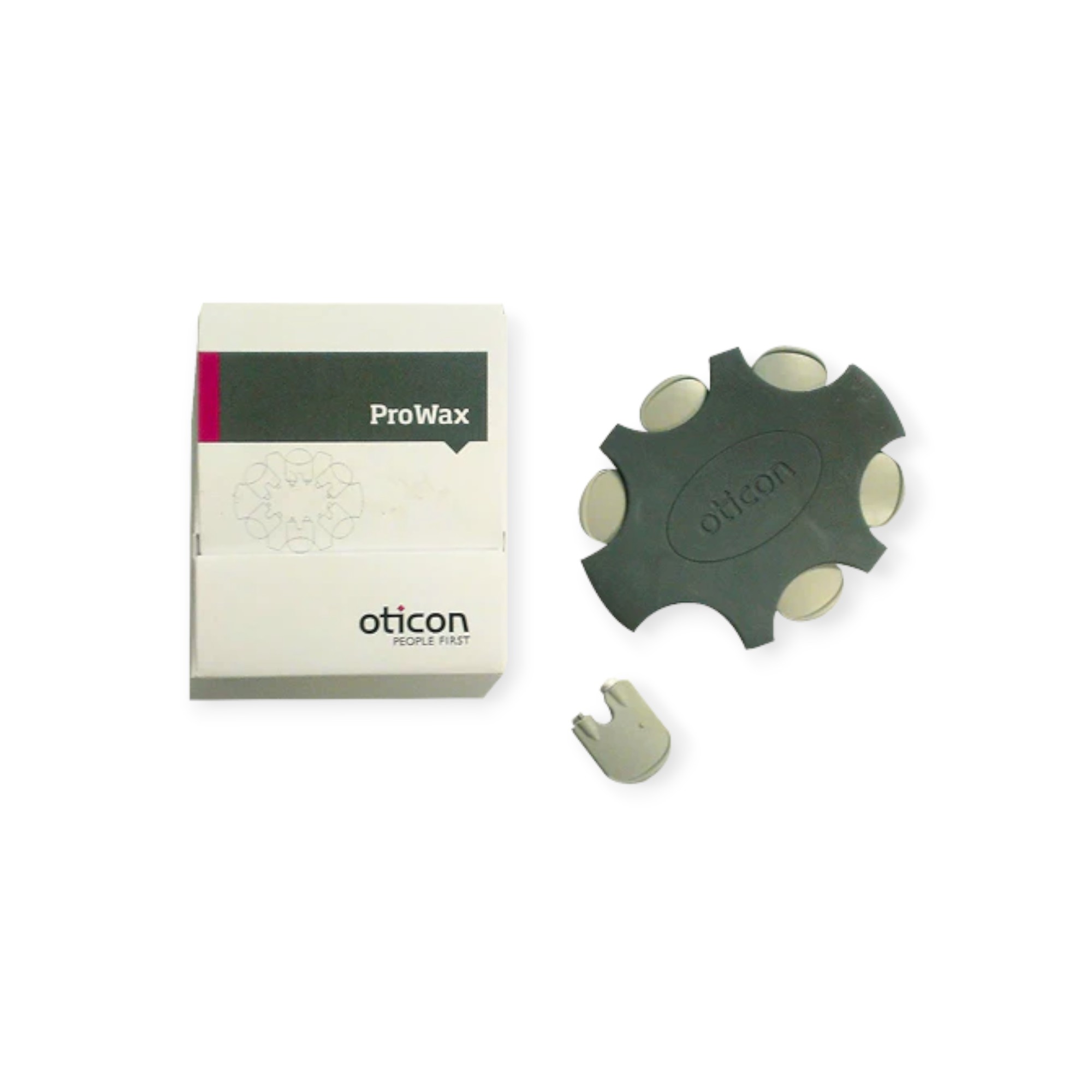
Oticon Prowax Filters – reliability and clear sound for custom earpieces and in-the-ear hearing aids
Anyone who wears a hearing aid wants to rely on clear sound, good intelligibility and comfortable daily use. Yet the performance of a hearing aid can be significantly reduced if dirt gets in the way. Earwax, sweat, dander and dust are the speaker’s greatest enemies. That’s why manufacturers like Oticon use filters: tiny, almost invisible protectors that play a huge role in the longevity and sound quality of the hearing aid. The Oticon Prowax system is designed for two specific applications: custom earpieces with a speaker inside the ear and complete in-the-ear hearing aids.
At Horend Goed, we see every day that proper maintenance makes all the difference. Oticon’s Prowax system is an important basis for this. These filters prevent dirt from entering the speaker and ensure that your hearing aid continues to perform as you have come to expect.
Who is the Oticon Prowax System intended for?
This filter type is not universal. It is specifically designed for:
-
In-the-ear hearing aids (ITE).
-
Custom-made earpieces with an in-ear speaker
Within these categories, the speaker is completely inside the ear canal. That means it is in the front row for earwax and moisture. As a result, protection is essential. The Prowax filter seals the speaker channel without blocking the sound. This keeps your hearing aid sounding clear, while keeping the internal component safe.
📌 Please note: There is also another filter from Oticon: Prowax Minifit.
That type is inserted directly into the speaker of specific RITE/Receiver-in-the-ear models (where the speaker hangs in the wire on the ear). It has different dimensions and thus does not fit in custom-made earpieces or in-ear devices. It is therefore advisable to always replace the same filter type and never switch between Prowax and Prowax Minifit.
When should you change the filter?
How often you should change the Prowax filter varies from person to person. Where one person produces little earwax, another may have a clogged filter within a few weeks. That’s why we recommend:
-
Check the filter weekly
-
Replace the filter when you notice abnormalities in the sound
Signs that the filter is getting clogged:
-
The sound becomes softer or muted
-
It sounds irregular or distorted
-
It looks like the unit is faulty, when only the filter is clogged
A clogged filter can feel exactly like a broken device. Many wearers are shocked by this and think an expensive repair is needed, whereas a simple new filter will solve the problem.
Why is timely replacement so important?
A functioning filter:
-
Protects the speaker from moisture and dirt
-
Extends the life of the hearing aid
-
Prevents expensive repair costs
-
Provides better sound and higher wearing comfort
If not replaced promptly, earwax can seep through the protective layer and permanently damage the speaker. This is a shame because a filter is small, affordable and easy to replace. It is one of the most cost-effective forms of maintenance.
Always choose the right filter
Oticon makes several types of filters, each with its own dimensions and function. Therefore, it is important never to fit “any round white filter.” When in doubt: take your hearing aid with you, ask us in the store or send us a message. We will be happy to help you.
Horend Goed tip
Always keep a set of extra filters in your home, car or purse. The moment when a filter gets clogged is not up to you. Be prepared, especially during a meeting, birthday or phone call. Nothing is more annoying than suddenly hearing little when you depend on clear communication.
Oticon Prowax filters provide clear sound quality and optimal protection for your in-the-ear device or custom earpiece. With regular maintenance, your hearing aids will continue to work as they should: reliable, comfortable and ready for any conversation.